.png)
Biophilic Kitchen Design: A Complete Guide

Updated: Aug 20
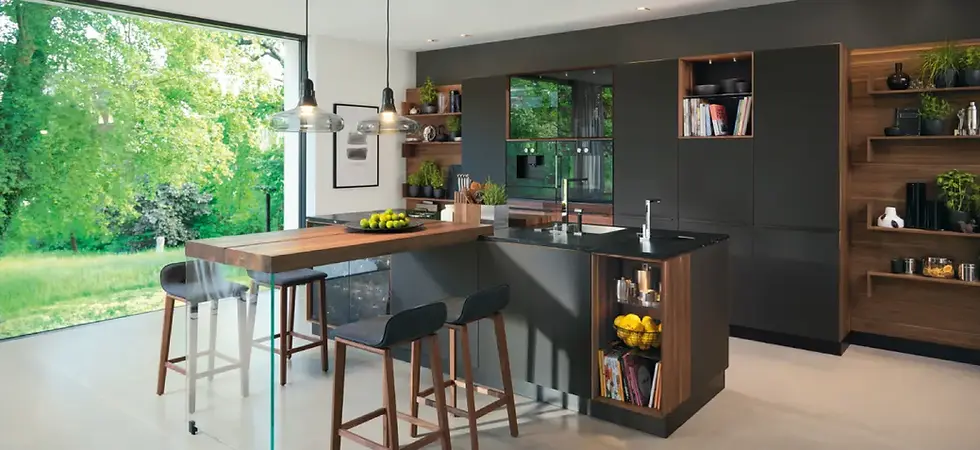
Why We Crave Nature at Home More Than Ever
Walk through any luxury home built twenty years ago and you'll likely find rooms designed primarily for function or visual impact. Today's homeowners want something more.
They want spaces that help them slow down. Spaces that feel calming after a long day. Spaces that support wellness, connection, and a greater sense of balance.
It's one reason biophilic design has become one of the most influential movements in modern architecture and interior design.
The concept is simple yet powerful: humans have an innate connection to nature, and our homes should reflect that relationship.
In a world where many of us spend our days moving between screens, meetings, and busy schedules, our homes have become sanctuaries. More homeowners are looking for ways to bring natural materials, daylight, organic textures, and greenery into their everyday environments.
Nowhere is this shift more evident than in the kitchen.
The modern kitchen is no longer simply a place to prepare meals. It has become the center of family life, entertaining, working, and gathering. As a result, designers are increasingly embracing biophilic principles to create kitchens that feel healthier, warmer, and more enjoyable to spend time in.
What Is Biophilic Design?

Biophilic design is an approach to architecture and interiors that seeks to strengthen the connection between people and the natural world. While many people associate biophilic interiors with houseplants, true biophilic design goes much deeper.
It encompasses everything from natural materials and daylight to views of nature, organic shapes, fresh air, and tactile surfaces. The goal is to create environments that support physical and emotional wellbeing while fostering a sense of comfort and connection.
Research consistently shows that environments inspired by nature can help reduce stress, improve focus, increase creativity, and contribute to overall wellbeing.
For homeowners, that means creating spaces that not only look beautiful but genuinely feel better to live in.
Why Biophilic Design Works So Well in Kitchens

The kitchen is often described as the heart of the home, and for good reason.
It's where families gather in the morning, where friends linger during dinner parties, where children do homework, and where many homeowners now work remotely for part of the day.
Because kitchens are used so frequently, the design choices made within them have an outsized impact on everyday life.
Natural materials, abundant daylight, and calming color palettes help transform kitchens from purely functional spaces into environments that promote comfort and wellbeing.
Rather than feeling like a showroom, a biophilic kitchen feels lived in, welcoming, and deeply connected to the rhythms of daily life.
The best examples create an experience that is both luxurious and restorative.
The 5 Key Elements of a Biophilic Kitchen

1. Natural Materials That Tell a Story
At the heart of every successful biophilic kitchen is a thoughtful selection of natural materials. Unlike synthetic surfaces that can feel static or artificial, natural materials bring warmth, texture, and authenticity that evolve over time.
Solid wood cabinetry, natural stone countertops, timber ceilings, and handcrafted finishes all contribute to a richer sensory experience. These materials connect us to the natural world through their unique imperfections, variations, and tactile qualities.
Among these elements, wood plays an especially important role. Few materials have the ability to instantly make a space feel warm, welcoming, and alive. Every grain pattern tells its own story, ensuring that no two kitchens are ever exactly alike.
This is where premium manufacturers such as TEAM 7 stand apart.
Unlike many modern kitchens that rely heavily on veneers or engineered surfaces, TEAM 7 creates kitchens using sustainably sourced solid hardwoods. Every cabinet showcases the unique beauty of natural timber while delivering exceptional durability and craftsmanship.
The result is a kitchen that feels connected to nature from the moment you walk into the room.
TEAM 7 echt.zeit kitchen
Beauty That Evolves Over Time
One of the most remarkable qualities of natural wood is that it continues to develop character throughout its lifetime.
As sunlight changes throughout the seasons and the home evolves around it, solid wood gains depth, patina, and personality. Small variations become part of the story of the home, creating a sense of authenticity that grows richer with age.
In many ways, this is the essence of biophilic design. It is not about creating a space that looks perfect on day one. It is about creating a home that feels connected to nature, supports wellbeing, and becomes even more beautiful with time.
For homeowners seeking a kitchen that combines craftsmanship, sustainability, and lasting beauty, natural solid wood remains one of the most compelling choices available today.

2. Abundant Natural Light
Light is one of the most powerful tools in biophilic design.
Large windows, skylights, glass doors, and open layouts help connect interior spaces with the changing rhythms of the natural world.
Natural light enhances the appearance of wood and stone surfaces, highlights texture, and creates subtle variations throughout the day.
A well-lit kitchen feels larger, more inviting, and more energizing.
Many luxury homeowners are now prioritizing daylight as highly as premium finishes when planning new kitchen projects.

3. Living Elements
Plants are perhaps the most recognizable element of biophilic design.
From simple herb gardens to dramatic indoor trees, greenery introduces movement, texture, and a visible connection to nature.
The goal is not to overwhelm the space with plants but to thoughtfully integrate living elements into everyday life.
Fresh herbs near a preparation area, a statement plant in an adjacent dining room, or views into a landscaped garden can all strengthen the connection between indoors and outdoors.

4. Nature-Inspired Color Palettes
Biophilic interiors often draw inspiration directly from the natural landscape.
Soft greens, warm wood tones, earthy neutrals, stone greys, and muted clay colors create a calming backdrop that feels timeless rather than trendy.
These palettes allow natural materials to become the focal point while promoting a sense of warmth and relaxation.
The result is a kitchen that feels grounded and welcoming throughout every season.

5. Organic Forms and Rich Textures
Nature rarely works in perfectly straight lines.
Curved islands, rounded furniture, sculptural lighting, and soft architectural details can help create a more organic environment.
Texture plays an equally important role.
The subtle grain of solid wood, the movement within natural stone, and the tactile quality of handcrafted surfaces create sensory experiences that make a space feel richer and more authentic.
Why Solid Wood Is Making a Luxury Comeback

For many years, the industry focused heavily on engineered materials and ultra-minimal finishes. Today, homeowners are moving in a different direction.
As luxury consumers increasingly prioritize authenticity, craftsmanship, and longevity, solid wood cabinets are experiencing a significant resurgence.
Unlike synthetic alternatives, solid wood possesses warmth, character, and individuality. It ages gracefully, develops patina over time, and creates a sensory connection that manufactured materials often cannot replicate.
Many leading interior designers are once again embracing solid wood cabinets because they offer something increasingly rare: authenticity. Rather than chasing short-lived trends, homeowners are investing in materials designed to last for generations.
This shift aligns perfectly with the broader philosophy of biophilic design, where quality, longevity, and connection to nature are valued above temporary aesthetics.
Sustainability and Biophilic Design Go Hand in Hand

One of the reasons biophilic design resonates so strongly today is its natural connection to sustainability.
Both approaches encourage thoughtful material selection, long-term thinking, and responsible stewardship of resources.
Increasingly, homeowners view sustainability not as a compromise but as an essential component of luxury.
They want to know where materials come from, how products are manufactured, and whether their investments will stand the test of time.
TEAM 7 has long been a leader in this philosophy.
The company sources wood from sustainably managed forests and utilizes environmentally responsible manufacturing practices throughout production. Their commitment extends beyond aesthetics, creating furniture and cabinetry designed to last for decades rather than years.
In many ways, sustainability and luxury are becoming inseparable.
The most desirable homes today are not simply beautiful. They are thoughtfully designed, responsibly built, and intended to endure.
Extending Biophilic Design Beyond the Kitchen
While kitchens often become the focal point of biophilic design, the principles can enrich every room of the home.
Natural materials, layered textures, and strong connections to outdoor views create spaces that feel comfortable and welcoming.
Wood dining tables, natural textiles, and soft lighting encourage meaningful gatherings and shared experiences.
As remote work becomes increasingly common, the demand for healthier work environments continues to grow. A thoughtfully designed biophilic design office can improve focus, reduce stress, and support productivity throughout the day.
Natural light, solid wood furniture, greenery, and tactile materials all contribute to a workspace that feels more balanced and inspiring. TEAM 7's solid wood desks, storage solutions, and home office collections embody these principles beautifully, creating work environments that are as functional as they are restorative.
Common Mistakes to Avoid
Mistaking Plants for Biophilic Design
Adding plants is beneficial, but true biophilic design encompasses materials, light, views, texture, and overall experience.
Choosing Artificial Over Authentic
Faux wood finishes and imitation materials rarely provide the same sensory benefits as natural alternatives.
Ignoring Natural Light
Even the most beautifully designed kitchen can feel disconnected if natural light is treated as an afterthought.
Following Trends Instead of Principles
The most successful biophilic interiors focus on timeless design decisions rather than short-lived trends.
Authenticity will always outlast fashion.
Designing Homes That Feel Better to Live In

Biophilic design is not simply another interior design trend. It reflects a broader shift toward healthier, more meaningful living environments.
Whether through natural light, thoughtfully selected materials, living elements, or beautifully crafted solid wood cabinets, biophilic design helps create homes that feel more connected, more comfortable, and more human.
For homeowners and designers alike, the appeal is clear. The most luxurious spaces are no longer defined solely by what they contain, but by how they make us feel.
At ARTEZIA, we help homeowners create kitchens and interiors that combine timeless European craftsmanship, sustainable materials, and exceptional design.
If you're considering a new kitchen, home office, or complete interior transformation, we'd love to help you explore how biophilic design can enhance the way you live.
Schedule a consultation with ARTEZIA and discover how nature-inspired design can elevate your home for years to come.
Frequently Asked Questions
What is biophilic design?
Biophilic design is an approach to architecture and interiors that strengthens the connection between people and nature through natural materials, daylight, plants, organic forms, and views of the outdoors.
Why is biophilic design becoming so popular?
Many homeowners are seeking spaces that support wellbeing, reduce stress, and feel more connected to nature. Biophilic design helps create environments that are both beautiful and restorative.
What are the key elements of a biophilic kitchen?
The five core elements are natural materials, abundant daylight, living elements such as plants, nature-inspired color palettes, and organic forms and textures.
How do you create a biophilic kitchen?
Start by incorporating natural materials such as wood and stone, maximizing natural light, adding greenery, choosing earthy colors, and prioritizing authentic textures over synthetic finishes.
What are the best materials for a sustainable kitchen?
Solid wood, natural stone, recycled materials, low-VOC finishes, and durable surfaces that require less frequent replacement are among the best choices for a sustainable kitchen.
What colors work best in a biophilic kitchen?
Earthy neutrals, warm wood tones, muted greens, stone greys, and soft clay colors are commonly used because they reflect natural landscapes and create a calming atmosphere.
Can biophilic design work in modern kitchens?
Absolutely. Biophilic design complements both contemporary and traditional interiors by introducing natural materials, texture, and warmth into the space.
What is a biophilic design office?
A biophilic design office incorporates natural light, wood, plants, organic materials, and nature-inspired elements to create a healthier and more productive work environment.
How do I design a luxury biophilic kitchen?
Focus on authentic materials such as solid wood cabinetry, natural stone surfaces, abundant daylight, thoughtful craftsmanship, and a seamless connection between indoor and outdoor spaces.
Where can I see biophilic kitchen designs in person?
Working with a design studio such as ARTEZIA allows homeowners to explore premium European kitchen brands, including TEAM 7, and discover how biophilic principles can be incorporated into their own homes.


Comments