.png)
The Complete Guide to Kitchen Hood Fans: Types, Pros & Cons for European Kitchens


When homeowners begin planning a kitchen renovation, they often focus on cabinetry, countertops, appliances, and lighting. Yet one of the most important decisions, and one of the most overlooked, is ventilation.
As kitchen designers, we’ve seen beautifully designed kitchens lose their appeal over time because ventilation was treated as an afterthought. Grease accumulates on cabinetry, cooking odors linger for hours, and moisture gradually affects finishes and materials. A well-designed kitchen hood fan doesn’t simply remove smoke. It protects your investment and enhances everyday living.
Today’s luxury kitchens offer far more than traditional stainless steel hoods. Homeowners can choose from fully integrated systems hidden inside cabinetry, sculptural plaster enclosures, dramatic stone surrounds, sleek ceiling-mounted solutions, and even invisible downdraft systems.
This guide explores the most popular kitchen hood fan options available today, including their pros, cons, and ideal applications, helping you choose the right solution for your home.
Why Kitchen Ventilation Matters More Than You Think
Your kitchen produces heat, steam, grease particles, smoke, and odors every time you cook. Without proper ventilation, these airborne contaminants settle on cabinets, walls, and ceilings.
A high-quality kitchen hood fan helps:
Remove cooking odors
Capture grease before it spreads
Improve indoor air quality
Reduce humidity and moisture
Protect cabinetry finishes
Create a more comfortable cooking environment
This becomes especially important in today’s open-concept homes, where kitchens seamlessly connect with living and dining areas.
As designers, we often remind homeowners that luxury is not only about appearance. True luxury lies in how a space performs every day.
How to Choose the Right Kitchen Hood Fan
Before selecting among various kitchen hood range ideas, consider the following factors:
Cooking Habits
Do you cook occasionally or prepare meals daily? Heavy cooking involving frying, grilling, or wok cooking typically requires stronger ventilation.
Ventilation Power (CFM)
CFM, or cubic feet per minute, measures airflow capacity. Higher CFM ratings remove more smoke and odors but may produce more noise.
Kitchen Layout
Island kitchens often require different solutions than perimeter kitchens. Ceiling-mounted systems or statement hoods may work best for islands.
Design Style
The ventilation system should complement your cabinetry and architecture rather than compete with it.
Noise Levels
Remote blowers and premium systems often provide quieter operation, an increasingly important consideration in open living spaces.
Exploring the Different Types of Kitchen Hood Fans
1. Fully Integrated Hood Fans Inside Upper Cabinets

One of the most popular solutions in modern European kitchens is the fully integrated hood fan.
In this design, the ventilation system is concealed entirely inside upper cabinetry. At ARTEZIA, we frequently specify premium ventilation inserts, such as Futuro systems, integrated within wall cabinets mounted approximately 24 inches above the countertop.
From the outside, the kitchen appears seamless and uncluttered.
Pros
Completely hidden appearance
Clean minimalist aesthetic
Seamlessly blends with cabinetry
Excellent for contemporary kitchens
Keeps visual focus on materials and architecture
Cons
Requires precise planning during design
Cabinet dimensions may limit fan selection
Less of a visual focal point
Best For
Modern kitchens
European kitchen designs
Open-concept homes
Minimalist interiors
For homeowners who appreciate understated luxury, integrated ventilation often delivers the cleanest result. Rather than drawing attention to appliances, the design allows cabinetry and materials to take center stage.
2. Integrated Cabinet Hood with Visible Stainless Steel Underside

A variation of the integrated approach conceals the hood within cabinetry while leaving the stainless-steel underside visible from below.
This solution strikes an excellent balance between aesthetics and functionality.
The cabinetry remains visually clean while the stainless insert provides professional-grade performance.
Pros
Hidden from most viewing angles
Easier filter access and cleaning
Durable stainless-steel surfaces
Professional cooking appearance
Often more cost-effective than fully custom solutions
Cons
Stainless components remain partially visible
Less seamless than fully integrated systems
May not suit ultra-minimal designs
Best For
Transitional kitchens
Contemporary homes
Families seeking practical luxury
In many of our projects, this approach offers an ideal middle ground between design and performance.
3. Stainless Steel Chimney Range Hoods
Stainless steel chimney hoods remain among the most recognizable kitchen hood range ideas. Their durability, strong ventilation capabilities, and professional appearance continue to make them a favorite in many homes.
Today, chimney hoods come in several distinct styles.
Angled Chimney Hoods

Angled hoods feature a sloped front panel, often combining stainless steel with glass.
These designs have become increasingly popular in contemporary European kitchens because they provide better head clearance while maintaining strong visual impact.
Pros
Modern appearance
Improved headroom
Easy-to-clean surfaces
Creates a dramatic focal point
Cons
Premium models can be expensive
Trend-sensitive styling
Limited compatibility with some traditional kitchens
Best For
Contemporary kitchens
Modern European designs
Homeowners seeking better head clearance
Open-concept spaces that benefit from a design statement
Square Chimney Hoods

Square chimney hoods feature clean geometric lines and timeless proportions.
Pros
Classic design
Works with many kitchen styles
Wide selection of finishes and sizes
Strong ventilation performance
Cons
More visually dominant
Less integrated appearance
Best For
Transitional kitchens
Traditional and contemporary homes
Families seeking a timeless look
Homeowners prioritizing strong ventilation performance
Box Chimney Hoods

Box hoods offer a minimalist rectangular design frequently used in luxury kitchens.
Pros
Architectural presence
Excellent extraction performance
Timeless styling
Complements modern cabinetry
Cons
Fingerprints require regular cleaning
Becomes a strong focal element
Best For
Minimalist interiors
Luxury modern kitchens
Professional-style cooking spaces
Homeowners who appreciate clean architectural lines
For homeowners seeking professional aesthetics, chimney hoods remain among the most enduring kitchen hood range ideas available today.
4. Custom Hood Enclosures: Where Ventilation Becomes Architecture
One of the biggest trends in luxury kitchen design is transforming the hood from a purely functional appliance into an architectural feature.
Rather than showcasing stainless steel, many homeowners choose custom enclosures that conceal the ventilation system while adding texture, warmth, and character to the space.
In many of our projects, the hood becomes the visual anchor of the kitchen, particularly when positioned above a range.
Stone Hood Enclosures

Stone-clad hoods create a timeless and luxurious appearance. Materials such as limestone, marble, travertine, and quartzite can be used to craft stunning focal points.
A stone hood often works beautifully in transitional, contemporary, and European-inspired kitchens.
Pros
Creates a dramatic statement piece
Adds natural texture and depth
Complements stone countertops and backsplashes
Timeless aesthetic that ages gracefully
Cons
Higher material and installation costs
Requires structural support due to weight
Natural stone may require maintenance depending on the material
Best For
Luxury statement kitchens
Transitional and European-inspired homes
Large kitchens with high ceilings
Homeowners seeking timeless natural materials
Designer Tip
For a cohesive design, consider matching the hood enclosure to your backsplash material. This creates a seamless visual flow and emphasizes the architectural quality of the space.
Wood Hood Enclosures

Wood hoods bring warmth and softness to a kitchen, making them especially popular in transitional and organic modern designs.
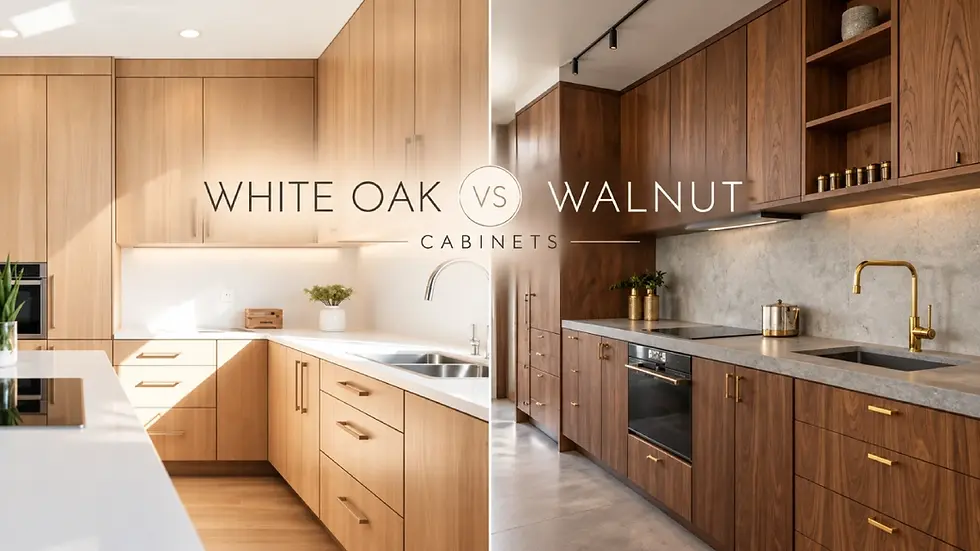
White oak, walnut, and painted wood hoods are among the most requested finishes today.
Pros
Introduces warmth and texture
Works across multiple design styles
Can be stained or painted to match cabinetry
Creates a handcrafted appearance
Cons
Requires proper finishing near heat and moisture
May require occasional refinishing over time
Best For
Organic modern kitchens
Transitional designs
Farmhouse-inspired spaces
Homeowners wanting warmth and texture
Designer Tip
Wood hoods pair exceptionally well with natural materials such as stone countertops and integrated European cabinetry.
Plaster Hood Enclosures

Plaster hoods have become increasingly popular in luxury homes due to their soft, sculptural appearance.
Unlike hard lines and visible seams, plaster creates a seamless look that feels custom and timeless.
Pros
Elegant, sculptural design
Seamless appearance
Complements modern organic interiors
Adds handcrafted character
Cons
Requires skilled installation
Repairs may be more specialized
Custom fabrication can increase costs
Best For
Organic modern interiors
Mediterranean-inspired homes
Minimalist luxury kitchens
Homeowners seeking a soft, sculptural aesthetic
Many homeowners are drawn to plaster because it feels less like an appliance and more like architecture.
5. Ceiling-Mounted Hoods for Kitchen Islands

Island kitchens present unique ventilation challenges because there are no walls to hide ductwork or cabinetry.
This is where the ceiling mount exhaust hood becomes an exceptional solution.
A ceiling mount exhaust hood is installed directly into or suspended from the ceiling above the island, preserving clean sightlines throughout the kitchen.
In open-concept homes, these systems help maintain unobstructed views while providing powerful ventilation.
Pros
Minimal visual impact
Maintains open sightlines
Ideal for modern architecture
Excellent for large islands
Creates a sleek, luxurious appearance
Cons
More complex installation
Higher overall cost
Requires careful duct planning
May require higher CFM ratings due to increased distance from the cooktop
Best For
Contemporary kitchens
Open-concept homes
Large islands
Homes with higher ceilings
From a design perspective, a ceiling mount exhaust hood is often one of the cleanest solutions available. It allows the kitchen to feel airy and uncluttered while delivering high-performance ventilation.
6. Downdraft Ventilation Systems

For homeowners seeking the most discreet option possible, downdraft ventilation offers an innovative solution.
Unlike traditional hoods that capture air from above, downdraft systems rise from the countertop when needed and disappear when not in use.
This technology has become increasingly popular in minimalist and contemporary homes.
Pros
Virtually invisible when not in use
Preserves views and sightlines
Ideal for minimalist islands
Creates a highly streamlined aesthetic
Cons
Generally less effective than overhead ventilation
Limited capture area for heavy cooking
Higher cost for motorized systems
Not ideal for frequent high-heat cooking
Best For
Light cooking
Minimalist designs
Homes prioritizing unobstructed views
Which Kitchen Hood Fan Is Right for You?

Choosing the right kitchen hood fan involves more than aesthetics. The ideal ventilation system should reflect how you cook, your kitchen layout, ceiling height, maintenance preferences, and overall design vision.
As kitchen designers, we often remind homeowners that the most beautiful hood is not always the best choice. A family that cooks daily may require a different solution than someone who primarily entertains or prefers minimalist design.
The table below can help you identify which option best fits your home and lifestyle.
Quick Designer Recommendations
Choose a Fully Integrated Hood If:
✔ You love clean lines and minimalist design
✔ You prefer appliances to disappear into the cabinetry
✔ You are designing a modern European kitchen
Choose a Chimney Hood If:
✔ You cook frequently or use high-heat cooking methods
✔ You want professional-grade performance
✔ You appreciate a bold design feature
Choose a Ceiling Mount Exhaust Hood If:
✔ Your cooktop is located on an island
✔ You want unobstructed views in an open-concept home
✔ You prefer a sleek contemporary aesthetic
Choose a Downdraft System If:
✔ Visual simplicity is your highest priority
✔ You cook lightly or occasionally
✔ You want the ventilation to disappear completely when not in use
Choose a Custom Hood Enclosure If:
✔ You want your hood to become an architectural feature
✔ You love natural materials such as stone or wood
✔ You are creating a timeless luxury kitchen
Our Designer's Advice
In our experience, the best kitchen hood fan is rarely selected in isolation. It should be considered alongside cabinetry design, appliance selection, ceiling height, and overall kitchen layout from the very beginning of the project.
For example, a beautiful plaster hood may lose its impact if it competes with other focal points, while a fully integrated system can create an effortlessly elegant appearance in minimalist kitchens.
Ultimately, the right solution is the one that performs effectively while feeling like a natural extension of your home's architecture and your lifestyle.
This is where thoughtful design makes all the difference. A well-integrated kitchen hood fan should quietly enhance your daily experience, allowing the kitchen to function beautifully without drawing attention to itself.
Understanding CFM: How to Size Your Kitchen Hood Fan

What is CFM?
CFM (Cubic Feet per Minute) is a measure of ventilation power. Higher CFM ratings indicate stronger airflow and greater smoke and odor removal.
Choosing the right CFM is essential for effective ventilation. While these figures provide a useful starting point, your ideal CFM will also depend on how often and how intensely you cook.
Cooktop Type | Recommended CFM | Best For |
Electric or Induction | 300–600 CFM | Everyday cooking, simmering, boiling, and light sautéing |
Standard Gas Range | 600–900 CFM | Daily cooking, light frying, and moderate heat |
Pro-Style Gas Range | 900–1200+ CFM | High-heat cooking, grilling, wok cooking, and frequent use |
Designer Tip: If you frequently cook aromatic or high-heat dishes, consider sizing up your ventilation capacity for improved smoke and odor removal.
Understanding Sones: How Quiet Should Your Hood Fan Be?
Ventilation power is important, but so is noise. Sones measure how loud a hood fan sounds during operation. The lower the sone rating, the quieter the fan.
Sone Rating | Comparable Sound Level |
1 Sone | Quiet refrigerator hum |
2–3 Sones | Normal conversation |
4 Sones | Light traffic outside |
8+ Sones | Loud enough to make conversation difficult |
Designer Recommendation:
For luxury and open-concept kitchens, look for a hood fan rated at 3 sones or less at typical operating speeds. This helps maintain a comfortable and social cooking environment.
Essential Rules for Hood Sizing and Installation
Even the most powerful kitchen hood fan will underperform if it is improperly sized or installed.
Hood Width
As a general rule, your hood should be at least as wide as your cooktop.
Cooktop Width | Recommended Hood Width |
30 inches | 30–36 inches |
36 inches | 36–42 inches |
48 inches | 48–54 inches |
Designer Tip: Extending the hood by 3 inches on each side improves smoke capture, especially for gas ranges and heavy cooking.
Installation Height
Most manufacturers recommend installing the hood between 24 and 36 inches above the cooktop.
Height Above Cooktop | Performance |
Under 24 inches | May restrict movement and create safety concerns |
24–36 inches | Ideal range for performance and comfort |
Over 36 inches | Reduced smoke and odor capture |
Why Professional Installation Matters
A professional installer ensures proper duct routing, electrical connections, and compliance with local building codes. Proper installation not only improves performance but also protects your investment in luxury cabinetry and appliances.
Final Thoughts: Ventilation Is Both Functional and Beautiful

A well-designed kitchen is more than beautiful cabinetry and elegant finishes. It is a space engineered to perform effortlessly for years to come.
The right kitchen hood fan protects your cabinetry, improves indoor air quality, and enhances the cooking experience every day. Whether you prefer the hidden elegance of integrated ventilation, the architectural beauty of plaster and stone, or the sleek sophistication of a ceiling mount exhaust hood, thoughtful planning ensures your kitchen performs as beautifully as it looks.
At ARTEZIA, we believe every detail matters. By carefully integrating ventilation into the overall design, we create kitchens that combine exceptional performance with timeless European craftsmanship.
If you’re planning a luxury kitchen renovation, our design team can help you select cabinetry, appliances, and ventilation solutions that are perfectly tailored to your lifestyle and home.
Frequently Asked Questions
How high should a kitchen hood fan be installed?
Most manufacturers recommend installing a kitchen hood fan between 24 and 36 inches above the cooktop, depending on the appliance type and ventilation system.
Is a ceiling mount exhaust hood effective?
Yes. When properly designed and sized, a ceiling mount exhaust hood can provide excellent ventilation while preserving open sightlines in island kitchens.
Are downdraft systems as effective as overhead hoods?
Generally, no. Traditional overhead hoods usually capture smoke and grease more effectively because heat naturally rises.
What is the quietest kitchen ventilation system?
Remote blower systems and premium integrated hoods often operate more quietly than standard built-in motors.
Can custom hood enclosures hide ventilation systems?
Absolutely. Stone, wood, and plaster surrounds are commonly used to conceal high-performance ventilation inserts while maintaining a cohesive design aesthetic.


Comments